



If you are preparing for the primate forests of Uganda or Rwanda, one of the first questions is simple: what should you actually pack?
Surprisingly, not too much.
Gorilla and chimpanzee trekking is one of East Africa’s most intimate wildlife experiences. It takes you into ancient forests, mist-covered slopes, tangled vegetation, and remote habitats where mountain gorillas and chimpanzees live under careful protection. The experience is deeply moving, but the conditions can be wet, muddy, humid, cool, warm, and unpredictable sometimes all in the same morning.
The key is to dress for comfort, protection, and respect for the environment. You do not need excessive gear, but you do need the right essentials.
Below is the Boundless Odysseys guide to packing thoughtfully for your gorilla or chimpanzee trek.
Essential Packing List for Gorilla and Chimp Trekking
1. Quick-Drying Long Trousers
Full-length hiking trousers are highly recommended. They protect your legs from insects, nettles, vines, branches, and muddy undergrowth.
Choose a lightweight, breathable, quick-drying fabric. Avoid jeans, which become heavy and uncomfortable when wet.
2. Light Long-Sleeved Shirt
A long-sleeved shirt protects your arms from scratches, insect bites, and sun exposure. Choose a breathable, quick-drying material in neutral colors such as khaki, olive, beige, brown, or forest green.
Bright colors are best avoided in wildlife areas.
3. Waterproof Hiking Boots
Good boots make a major difference.
You may be trekking in places such as Bwindi Impenetrable Forest or Kibale National Park in Uganda, or Volcanoes National Park and Nyungwe Forest in Rwanda. These forests can be steep, wet, slippery, and uneven. Ground that appears firm can quickly become soft, muddy, or waterlogged.
Choose waterproof walking or hiking boots with good ankle support and non-slip soles. Trainers are usually not ideal for primate trekking.
4. Comfortable Hiking Socks
Wear comfortable, breathable hiking socks. Your guides may advise you to tuck your trousers into your socks to help prevent insects from crawling up your legs. It may not be the most elegant look, but it is practical and your guides know the forest better than anyone.
5. Waterproof Gaiters
Gaiters help protect your lower legs and boots from mud, water, insects, and vegetation. Some lodges provide them, but they are light and easy to pack if you have your own.
They are especially useful in dense or wet forest conditions.
6. Lightweight Rain Jacket or Poncho
Rain is common in equatorial forest regions, even during drier months. A seam-sealed waterproof jacket with a hood is useful and easy to carry.
If you are a keen photographer, a poncho can also help protect your camera equipment once you reach the primates.
7. Wide-Brimmed Hat or Cap
A hat or cap is helpful for sun protection before and after the forest trek, particularly during briefings, open sections of trail, or transfers.
8. High SPF Sunscreen
Even in forested regions, the sun can be strong. Apply sunscreen to your face, neck, hands, and any exposed skin.
Some medication, including certain malaria prophylaxis, may increase sensitivity to sunlight, so it is wise to be prepared.
9. Daypack
Carry a comfortable daypack for your essentials: water, packed lunch, snacks, camera, binoculars, sunscreen, tissues, rain jacket, gloves, mask, and small personal items.
A waterproof cover or dry bag inside your backpack is also useful for protecting electronics.
10. Reusable Water Bottle
Carry enough water for the day. We generally recommend around two litres, especially because treks can vary in length depending on where the primates are located.
Some treks may be relatively short; others may take several hours. Single-use plastics are strongly discouraged, so bring a sturdy reusable bottle.
11. Medical-Grade Face Mask
Gorillas and chimpanzees are extremely close relatives of humans, which makes them vulnerable to some human illnesses.
Your guides may ask you to wear a mask once you are near the primates. Wear it properly over your nose and mouth during close viewing, and always follow the instructions given by your ranger or guide.
If you are unwell with flu-like symptoms, a cough, fever, or cold, you may not be permitted to trek. This is an important conservation measure designed to protect the primates.
12. Lightweight Gloves
Gloves are very useful, especially in dense forests where you may need to hold branches, vines, or vegetation for support.
Simple soft leather gardening or work gloves are often enough. They do not need to be expensive.
13. Walking Pole or Trekking Stick
A lightweight hiking pole can help with balance on steep, muddy, or uneven trails. Many lodges or park offices may provide a walking stick, and in some places your guide may arrange one for you before the trek begins.
You do not need to buy specialist poles unless you already enjoy hiking with them.

Good to Know Before You Trek
You Do Not Need Two Complete Trekking Outfits
If your itinerary includes both gorilla and chimpanzee trekking, you usually do not need to pack two full trekking outfits. Many lodges offer laundry service and can prepare your clothing for the next activity.
Pack in a Soft-Sided Bag
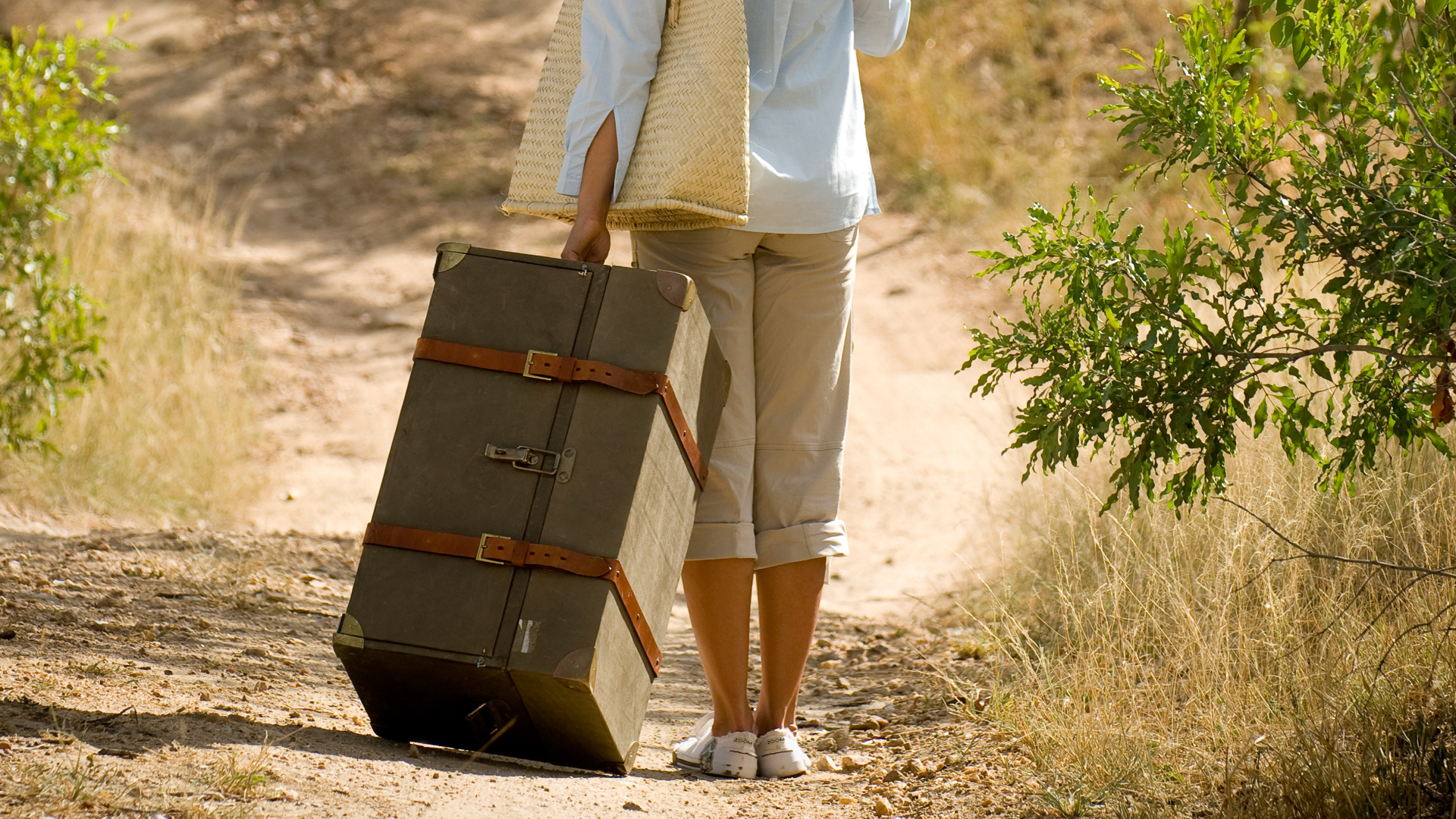
If your safari includes small aircraft transfers, a soft-sided bag is strongly recommended. Light aircraft often have strict baggage limits, sometimes around 12–15kg depending on the routing and operator.
Always check your confirmed itinerary before packing.
Lodge Dress Codes Are Relaxed
Safari lodges in Uganda and Rwanda are generally casual and comfortable. You do not need formal clothing. Focus on lightweight layers, practical footwear, and relaxed evening wear.
Dress in Layers
Primate destinations are often at higher elevations. Early mornings and evenings may be cool, while the trek itself can become warm and humid.
Layering allows you to adjust throughout the day.
Binoculars Are Optional but Useful
Once you find gorillas or chimpanzees, your guides will usually bring you close enough that binoculars are not essential. However, lightweight binoculars can be excellent for birding and general forest viewing.
Camera or Phone?
A camera with a good zoom is useful, especially for photographers. However, many guests capture beautiful memories using a high-quality phone camera.
Flash photography is not permitted around primates, so make sure your flash is turned off before the encounter.
Carry Small Local Currency
It is helpful to carry some local currency in small denominations for small purchases, porter tips, walking sticks, masks, or other local needs.
Consider Hiring a Porter
It is helpful to carry some local currency in small denominations for small purchases, porter tips, walking sticks, masks, or other local needs.
A Final Word
Gorilla and chimpanzee trekking is not only a wildlife encounter. It is a privilege.
These moments happen because of decades of conservation work, community cooperation, ranger protection, and responsible tourism. The way you prepare, dress, behave, and follow guidance matters.
At Boundless Odysseys, we design primate safaris that are seamless, respectful, and deeply meaningful connecting guests to the forests, wildlife, and communities that make Uganda and Rwanda so extraordinary.
If you have questions about what to pack, when to travel, or how to plan your primate trekking experience, our team will be happy to guide you.